

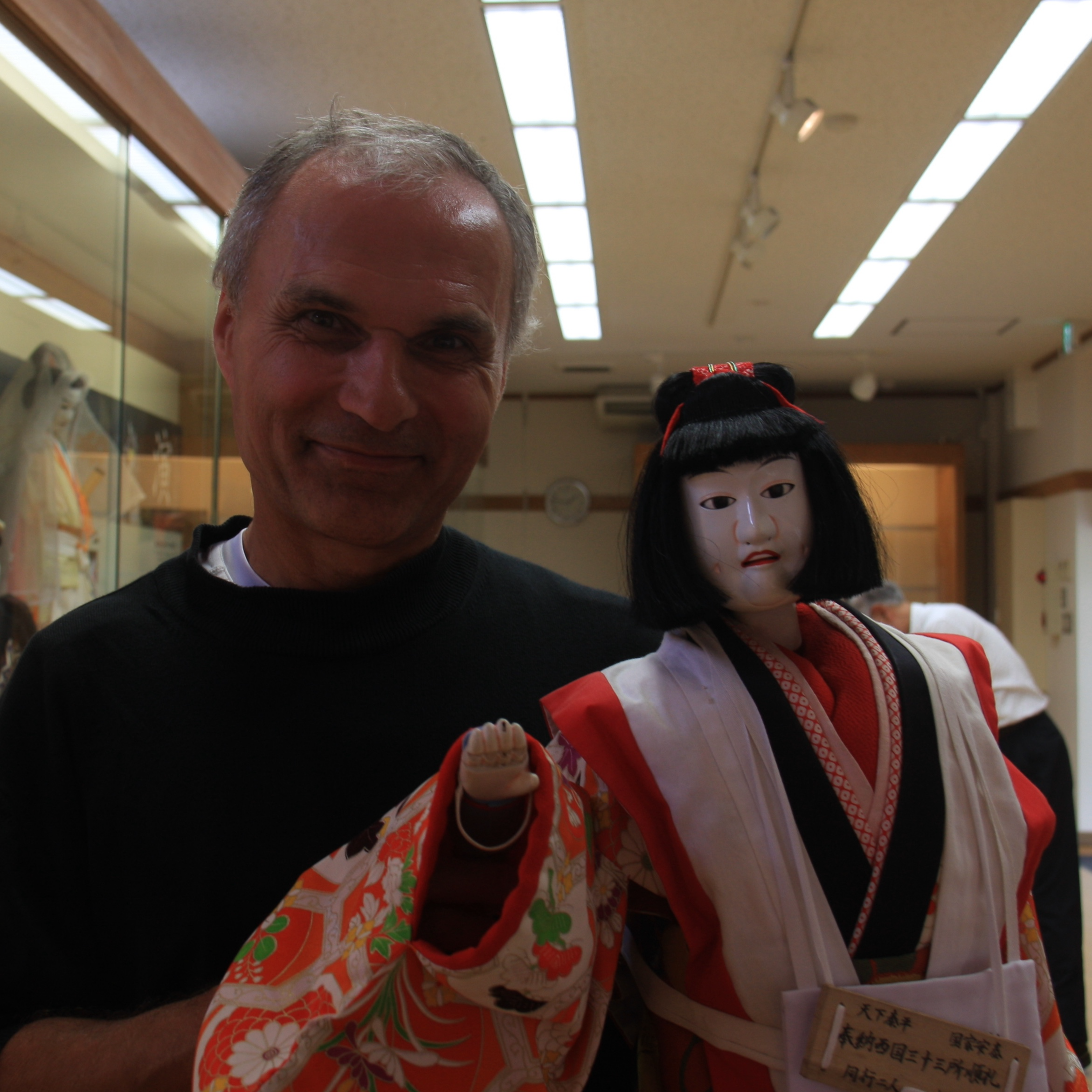
Alexandre Jouan
Contemplatif de nature et adepte de grandes randonnées, Alexandre Jouan a choisi de découvrir le Japon en parcourant à pied les 1200 km du pèlerinage des 88 temples de l’île de Shikoku dont l’origine remonte à l’époque de Heian. Il relate cette aventure exceptionnelle à la fois humaine spirituelle dans le livre « Shikoku, corps et âme » qui vient de paraitre aux Éditions Amalthée. Il avait auparavant contribué au chapitre consacré à Shikoku publié dans le guide « Fabuleux Japon » aux Éditions Ulysse. Passionné par la littérature classique et par les arts anciens, Alexandre étudie depuis de nombreuses années la Voie de l’Écriture (Shodō) auprès de maitre Shoho Teramoto. Il a participé à l’exposition « Québec, Japon et moi » consacrée aux oeuvres de Maître Teramoto et de ses étudiants qui s’est tenue à Québec en septembre dernier à la Galerie du Trait- Carré de Charlesbourg. Une seconde exposition enrichie de nouvelles œuvres est actuellement en cours à la Galerie Ozu Washi de Tōkyō. Contemplative by nature and a fan of long hikes, Alexandre Jouan chose to explore Japan by walking the 1,200 km pilgrimage of the 88 temples on the island of Shikoku, a journey that dates back to the Heian period. He recounts this exceptional adventure, both human and spiritual, in the book “Shikoku, corps et âme”, which has just been published by Éditions Amalthée. He had previously contributed to the chapter dedicated to Shikoku in the guide “Fabuleux Japon” , published by Éditions Ulysse. Passionate about classical literature and ancient arts, Alexandre has been studying the Way of Writing (Shodō) for many years with Master Shoho Teramoto. He participated in the exhibition “Québec, Japon et moi”, which showcased the works of Master Teramoto and his students, held in Québec last September at the Galerie du Trait-Carré in Charlesbourg. A second exhibition, featuring new works, is currently underway at the Ozu Washi Gallery in Tokyo.
You must be logged in to continue.
You need to purchase a ticket to access this event!
Get tickets
Bujinkan Québec
Fondé il y a une quarantaine d’années, le dojo Bujinkan Québec est maintenant une référence du ninjutsu au Québec. Il s’agit d’une école basée sur le budo et non sur la compétition sportive. On y apprend le maniement des armes traditionnelles du Japon, ainsi que la défense contre des armes plus modernes, tel que le pistolet. L’enseignement est basé sur le développement des habiletés et non sur la performance athlétique ou sur la mémorisation des techniques. Comme c’est un budo, l’aspect psychologique d’une confrontation y est abordé en profondeur. Bernard Grégoire, directeur de Bujinkan Québec, a reçu le titre de Dai Shihan directement de Hatsumi sensei et continue d’aller s’entraîner régulièrement au Japon, car, dans cet art martial, on n’a jamais fini d’apprendre. Founded over forty years ago, Bujinkan Québec has become the premier reference for ninjutsu in Quebec. Students here learn to develop skills, rather than to overload their memory trying to memorize every technique. Students are taught hand-to-hand combat, as well as self-defence and the use of traditional Japanese weapons and modern ones. The focus is on personal development, and it is not about competing with fellow students. Bernard Grégoire, founder of Bujinkan Québec, was awarded the title of Dai Shihan directly by Hatsumi sensei and continues to train regularly in Japan, because in this martial art, one never stops learning.
You must be logged in to continue.
You need to purchase a ticket to access this event!
Get tickets
Chado Urasenke Tankokai de Québec (Association de la cérémonie du thé de Québec)
Notre association, fondée en 2011, fait partie de l’organisation sans but lucratif Tankokai de Kyoto, Japon, et notre mission est de faire connaître la voie du thé. Nous avons fait plusieurs présentations de la cérémonie du thé dans divers événements culturels au Québec tels que : Musée de la Civilisation de Québec, Jardin Quatre vents de la Malbaie, Bibliothèque Gabrielle-Roy, Expo cité Pavillon Japon, Fête de nouvelle année de l’Association d’amitié Québec-Japon et bien d’autres. Dans le monde entier, le thé a une vaste popularité, mais peu de pays ne possèdent autant de richesse culturelle sur le thé que le Japon. Au Japon, la manière dont on prépare un bol de thé a été particulièrement raffinée par le développement culturel et esthétique. Le Chado, terme qui signifie « la voie du thé », est conçu comme un mode de vie, aboutissant à une véritable œuvre d’art, contribuant au développement artisanal du Japon, mais aussi faisant évoluer la manière dont on vivait dans la vie quotidienne. Le Chado n’est pas seulement une méthode de préparation du thé, c’est aussi l’art de fabriquer des ustensiles, la connaissance profonde des arts et de la littérature, de l’architecture, de la construction des maisons de thé, de l’art des jardins, et de bien d’autres domaines encore. Maintenant que les progrès modernes et la mécanisation évitent à l’homme les tâches les plus rudes, le temps et l’énergie pris pour la préparation d’un bol de thé pourraient paraître inutiles. Mais une tasse de thé préparée suivant les principes du Chado est un rituel destiné à rétablir la tranquillité intérieure qui est un besoin fondamental de l’homme. C’est un rituel de simplicité et de sobriété dans lequel chacun peut trouver « la paix dans bol de thé ». Our association, founded in 2011, is part of the non-profit organization Tankokai of Kyoto, Japan, and our mission is to make known the way of tea. We have made several presentations of the tea ceremony in various cultural events in Quebec such as: Museum of Civilization of Quebec, Jardin Quatre vents de la Malbaie, Gabrielle-Roy Library, Expo cité Pavillon Japon, New Year’s party of the Association d’amitié Québec-Japon and many more. Throughout the world, tea has vast popularity, but few countries have as much cultural richness on tea as Japan. In Japan, the way a bowl of tea is prepared has been particularly refined by cultural and aesthetic development. Chado, a term meaning “the way of tea”, is conceived as a way of life, resulting in a true work of art, contributing to the development of craftsmanship in Japan, but also changing the way people live in daily life. Chado is not only a method of preparing tea, it is also the art of making utensils, the deep knowledge of arts and literature, architecture, the construction of tea houses, the art of gardens, and many other areas. Now that modern advancements and mechanization have spared humans the toughest tasks, the time and energy taken in preparing a bowl of tea might seem unnecessary. But a cup of tea prepared according to the principles of Chado is a ritual intended to restore the inner tranquility which is a basic human need. It is a ritual of simplicity and sobriety in which everyone can find “peace in a bowl of tea”.
You must be logged in to continue.
You need to purchase a ticket to access this event!
Get tickets
Ciné-Nacho
Vincent est humoriste, animateur, producteur, photographe, vidéaste, professeur et modèle vivant quand l’épicerie coûte cher. Il est un genre d’homme-orchestre qui enchaîne les projets artistiques afin de continuer de réaliser ses deux rêves : vivre de son art et ne jamais avoir à retourner travailler au Apple Store. Rafaële s’intéresse tant au contenant qu’au contenu d’un numéro d’humour. Elle s’amuse avec les codes classiques du stand-up, souvent pour les rendre visibles au public. Son objectif est aussi de démystifier et faire tomber des tabous autour de problèmes de santé mentale, comme l’anxiété, la dépression et les troubles alimentaires. Maxime Ève est une humoriste qui a participé au Minifest, Zoofest, ComediHa! Club et au festival Juste pour rire. Elle voyage aux quatre coins du Québec pour faire rire les gens. Elle parle de sujets qui lui sont proches, tels que sa transidentité, sa sexualité, ses origines et sa vie de tous les jours. William est un humoriste niaiseux, mais qui n’a pas peur de rire de lui-même et de son vécu. Toujours souriant et de bonne humeur, il présente ses numéros avec désinvolture et une grande innocence. Il est l’animateur du balado L’insolence du Quotidien sur Radio-Canada OHdio. Jérôme est une genre de boule d’amour, de jokes et de références geek. Ayant une longue expérience en stand-up, show concept, podcast et un peu d’études en informatique, Jérôme a un charisme indéniable qui le rend ô combien solide sur scène. Il aime parler de Pokémon et c’est un peu son rêve qui se réalise de se faire payer pour le faire. Vincent is a comedian, host, producer, photographer, videographer, teacher and live model when groceries are expensive. He is a kind of one-man band who takes on artistic projects in order to continue to realize his two dreams: to make a living from his art and never have to go back to work at the Apple Store. Rafaële is interested in both the content and the container of a comedy act. She has fun with the classic codes of stand-up, often to make them visible to the public. Her goal is also to demystify and break down taboos surrounding mental health issues, such as anxiety, depression and eating disorders. Maxime Ève is a comedian who has participated in MiniFest, Zoofest, ComediHa! Club and the Just for Laughs festival. She travels all over Quebec to make people laugh. She covers topics close to her, such as her trans identity, her sexuality, her origins and her everyday life. William is a silly comedian, but who is not afraid to laugh at himself and his life experiences. Always smiling and in a good mood, he delivers his performances with nonchalance and great innocence! He is the host of the podcast L’insolence du Quotidien on Radio-Canada OHdio. Jérôme is kind of a ball of love, jokes and geek references. With a long experience in stand-up, show concept, podcast and a bit of computer science studies, Jérôme has an undeniable charisma that makes him so solid on stage. He loves talking about Pokémon and it’s kind of his dream come true to get paid to do it.
You must be logged in to continue.
You need to purchase a ticket to access this event!
Get tickets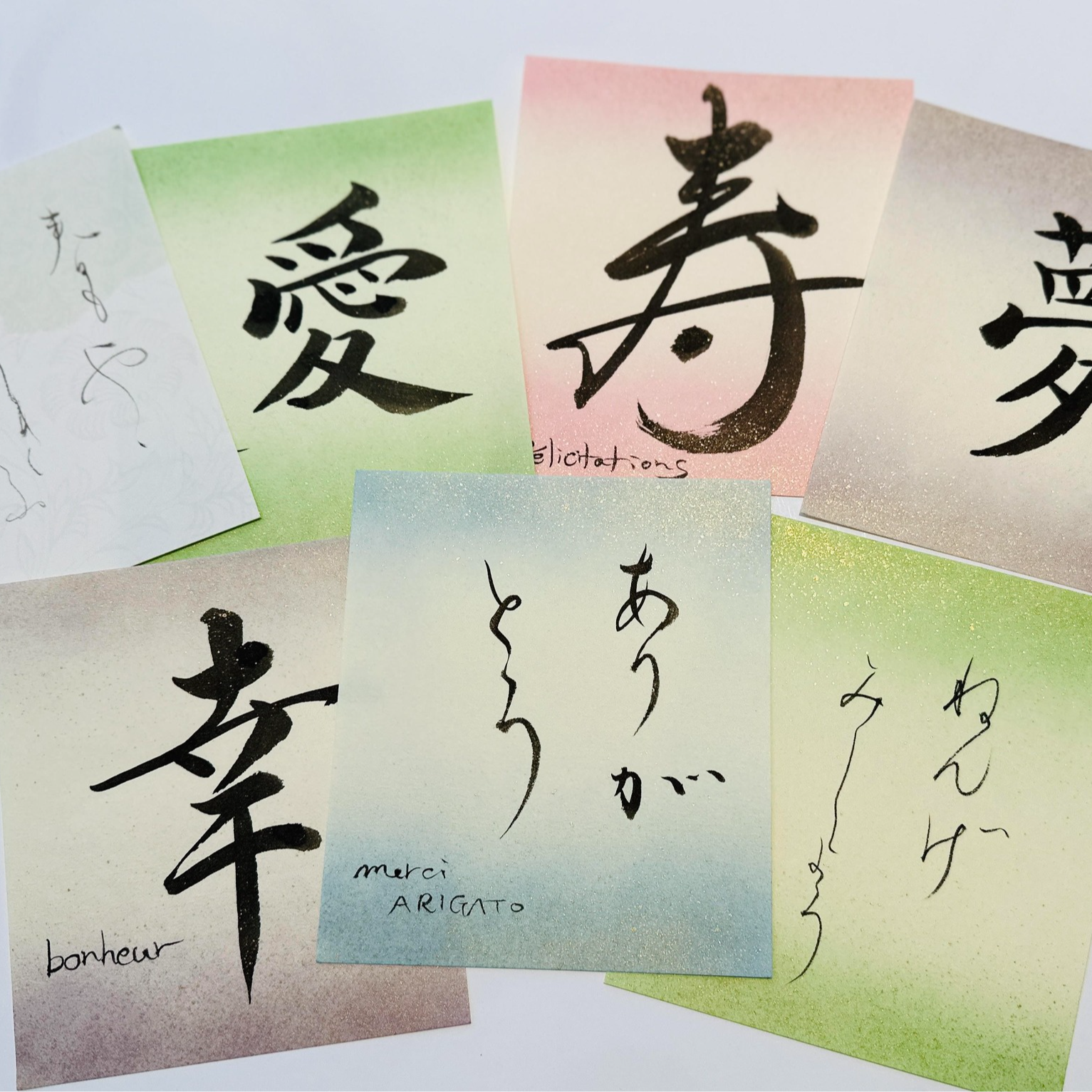
Club de Shodo de Québec
Nous sommes un groupe de calligraphie actif depuis 2017 sous la direction de la maître calligraphe Shoho Teramoto, à Espace Japon, Université Laval, à Québec. Actuellement, nous comptons environ 30 membres. L’automne dernier, notre toute première exposition de calligraphie, tenue dans une galerie de Québec, a accueilli plus de 900 visiteurs. Nous avons hâte de vous rencontrer ! We are a calligraphy group that has been active since 2017 under the guidance of calligraphy master Shoho Teramoto at Espace Japon, Université Laval, in Quebec. Currently, we have about 30 members. Last autumn, our first calligraphy exhibition, held at a gallery in Quebec, welcomed over 900 visitors. We look forward to meeting you!
You must be logged in to continue.
You need to purchase a ticket to access this event!
Get tickets
Dojo de Beauport
Le iaido est un art martial traditionnel du Japon centré sur le maniement du katana, l’arme emblématique des samouraïs de l’époque féodale. La discipline se focalise sur la perfection des mouvements et l’efficacité des techniques, principalement de dégainage et contre-attaque, et comporte aussi un fort aspect spirituel. L’apprentissage se fait principalement avec un iaito (réplique de katana), par la répétition de katas, qui sont des séquences de mouvements suivant un scénario prédéfini, au sol ou debout. De plus, l’application de ces techniques avec un ou plusieurs partenaires, cette fois avec un sabre en bois (bokken), permet de développer le sens du timing et de la distance. La section de iaido du Dojo de Beauport a été créée en 2005, et attire des personnes de multiples horizons, comme les passionnés de la culture japonaise ou les pratiquants d’autres arts martiaux. Nous participons régulièrement à des démonstrations et des stages dans la province, voire en dehors du Québec. Iaido is a traditional Japanese martial art centered on the use of the katana, the emblematic weapon of the feudal samurai. The discipline focuses on the perfection of movements and the efficiency of techniques, mainly drawing and counter attacking, and also includes a strong spiritual aspect. Learning takes place mainly with an iaito (replica katana), through the repetition of katas, which are sequences of movements following a predefined script, on the ground or standing. In addition, applying these techniques with one or more partners, this time with a wooden sword (bokken), helps develop a sense of timing and distance. The Dojo de Beauport iaido section was created in 2005, and attracts people from a wide range of backgrounds, including enthusiasts of Japanese culture and practitioners of other martial arts. We regularly take part in demonstrations and workshops around the province, and even outside Quebec.
You must be logged in to continue.
You need to purchase a ticket to access this event!
Get tickets
Gunpla Montréal
Fondé en 2014, Gunpla Montréal est le premier club de modèles réduits spécialisé dans le genre mecha, anime et sci-fi au Québec. Ses membres animent fréquemment des ateliers et des panels afin de partager leur passion. Ils ont d’ailleurs participé à plusieurs festivals canadiens, dont Anime North et Comiccon. Mais c’est en 2017 que le club a réussi à faire venir le Gunpla Builders World Cup (GBWC) au Canada, positionnant ainsi le pays sur la scène internationale du Gunpla. Grâce à la passion et au dévouement du club, le Gunpla a maintenant une place importante au sein de la culture geek et anime du Québec. Founded in 2014, Gunpla Montréal is the first model building club specializing in the mecha, anime and sci-fi genre in Quebec province. Its members frequently host workshops and panels to share their passion. They have participated in several Canadian conventions, including Anime North and Comiccon. But it was in 2017 that the club succeeded in bringing the Gunpla Builders World Cup (GBWC) to Canada, thus positioning the country on the international Gunpla scene. Thanks to the club’s passion and dedication, Gunpla now has an important place in Quebec’s geek and anime culture.
You must be logged in to continue.
You need to purchase a ticket to access this event!
Get tickets
Komachi Montréal
Komachi Montréal est un groupe de danse japonaise traditionnelle créé en 2007 qui présente des spectacles dans les régions de Montréal, Québec, New York et Ottawa. Leurs prestations visent à vous faire vivre des moments agréables tout en partageant la grande diversité de la culture japonaise. Ce message s’adresse à vous, festivaliers : venez vivre l’énergie festive de nos spectacles! Nous présenterons également des performances de tambours japonais et une danse traditionnelle appelée « Bon Odori ». Dansez avec nous et amusez-vous avec Komachi Montréal! Komachi Montreal is a Japanese dance group established in 2007 that performs Japanese folk dances throughout the Montreal region as well as in Quebec City, New York and Ottawa. Their performances aim to make you live pleasant moments while sharing the great diversity of Japanese culture with you. This message is for you, festival-goers: Come and share the festive energy of our performance ! We will also present a Japanese drums performance and a traditional dance called “Bon Odori”. Dance with us and enjoy yourself with Komachi Montreal !
You must be logged in to continue.
You need to purchase a ticket to access this event!
Get tickets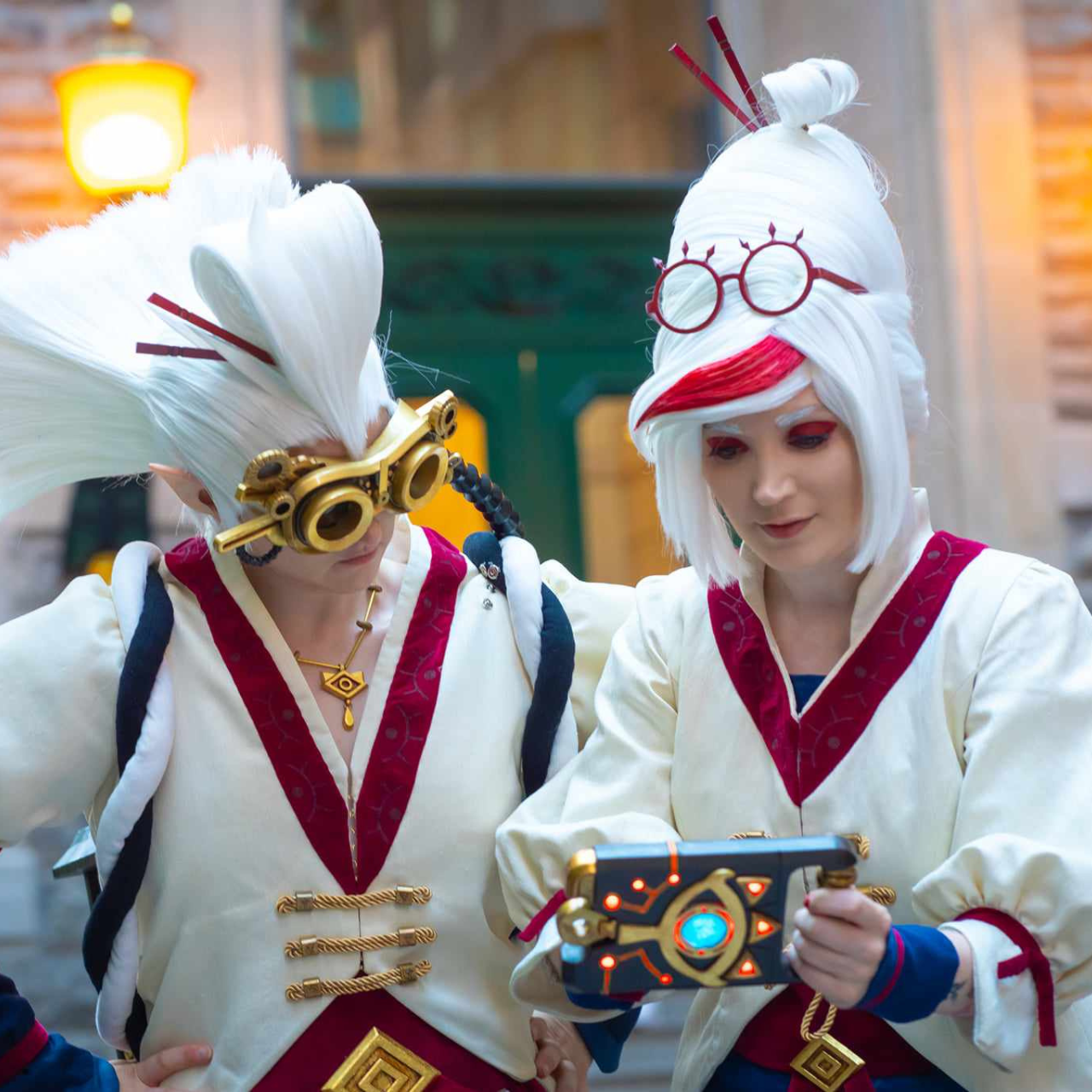
Lady Moonmoth et Daragonne
Depuis 10 ans déjà, Lady Moonmoth et Daragonne accumulent les costumes complexes et s’aventurent dans les différentes avenues que le cosplay a à offrir. Lady MoonMoth adore rajouter des petits détails et pousser son art au maximum, allant jusqu’à tricoter ses propres bas, alors que Daragonne, touche-à-tout, préfère explorer de nouvelles techniques et essayer de nouvelles choses. Passionnées de l’histoire du costume et unies dans leur amour de Jamie Fraser, les deux cosplayeuses se sont unies pour former DragonMoth et représenteront le Canada lors du World Cosplay Summit 2025 à Nagoya. For 10 years now, Lady Moonmoth and Daragonne have been creating intricate costumes and exploring the various paths that cosplay has to offer. Lady MoonMoth loves adding little details and perfecting her art, even knitting her own socks. On the other hand, Daragonne, jack-of-all-trades, prefers to explore new techniques and try new things. Passionate about costume history and united in their love for Jamie Fraser, the two cosplayers have come together to form DragonMoth and will represent Canada at the World Cosplay Summit 2025 in Nagoya.
You must be logged in to continue.
You need to purchase a ticket to access this event!
Get tickets
Laura Faye Smith
Laura Faye Smith est une comédienne de doublage basée à Los Angeles, surtout connue pour avoir prêté sa voix à la princesse Rosalina pour les jeux Super Mario Brothers de Nintendo (depuis Super Mario 3D World en 2013) et à Noelle dans Genshin Impact. Elle a également prêté sa voix à Kana (version masculine) pour la distribution anglophone de Fire Emblem Fates de Nintendo, à Tamara “Meds” Melari dans la pièce radiophonique de science-fiction The Sojourn (en cours), ainsi qu’à de nombreux personnages pour Mad Head Games. Elle a fait de nombreuses publicités, du doublage, du théâtre et des livres audio. Elle a joué le rôle de DeEtta Calvert dans Grimm sur NBC et a également joué dans Maîtres Arnaqueurs (Leverage) sur TNT, Chicken Girls sur Brat TV et Betrayed et Stranger Among Us sur Investigation Discovery. Vous pouvez la trouver sur Twitter ou Instagram à @laurafayesmith. Laura Faye Smith is an LA-based voice actor, best known for voicing Princess Rosalina for Nintendo’s Super Mario Brothers games (starting with Super Mario 3D World in 2013) and Noelle in Genshin Impact. She has also voiced Kana (male) for Nintendo’s English cast of Fire Emblem Fates, Tamara “Meds” Melari in the ongoing sci-fi audiodrama The Sojourn, as well as numerous characters for Mad Head Games. She has done an extensive amount of commercials, dubbing, theatre, and audiobooks. She appeared as DeEtta Calvert on NBC’s Grimm, and has also appeared in TNT’s Leverage, Brat TV’s Chicken Girls, and Investigation Discovery’s Betrayed and Stranger Among Us. You can find her on Twitter or Instagram at @laurafayesmith.
You must be logged in to continue.
You need to purchase a ticket to access this event!
Get tickets
Les V d’Anges : Lulune TV, MissLouvely et SwtVanille
Plongez dans l’univers captivant des V d’Anges, un groupe de VTubeuses québécoises composé de LuluneTV, MissLouvely et SwtVanille. Passionnées par le streaming et la culture geek, elles animent « The V Podcast », une émission mensuelle où elles discutent de l’actualité du VTubing, de jeux vidéo et de sujets variés avec humour et authenticité. Avec leur énergie contagieuse et leur complicité unique, elles créent un espace chaleureux et divertissant pour leur communauté. Retrouvez-les en direct sur Twitch et venez les rencontrer lors du festival pour en apprendre plus sur leur univers et partager un moment inoubliable avec elles! Dive into the captivating world of V d’Anges, a group of Québécois VTubers featuring LuluneTV, MissLouvely, and SwtVanille. Passionate about streaming and geek culture, they host The V Podcast, a monthly show where they discuss the latest in VTubing, video games, and various topics with humor and authenticity. With their contagious energy and unique bond, they create a warm and entertaining space for their community. Catch them live on Twitch and meet them at the convention to learn more about their world and share an unforgettable moment with them!
You must be logged in to continue.
You need to purchase a ticket to access this event!
Get tickets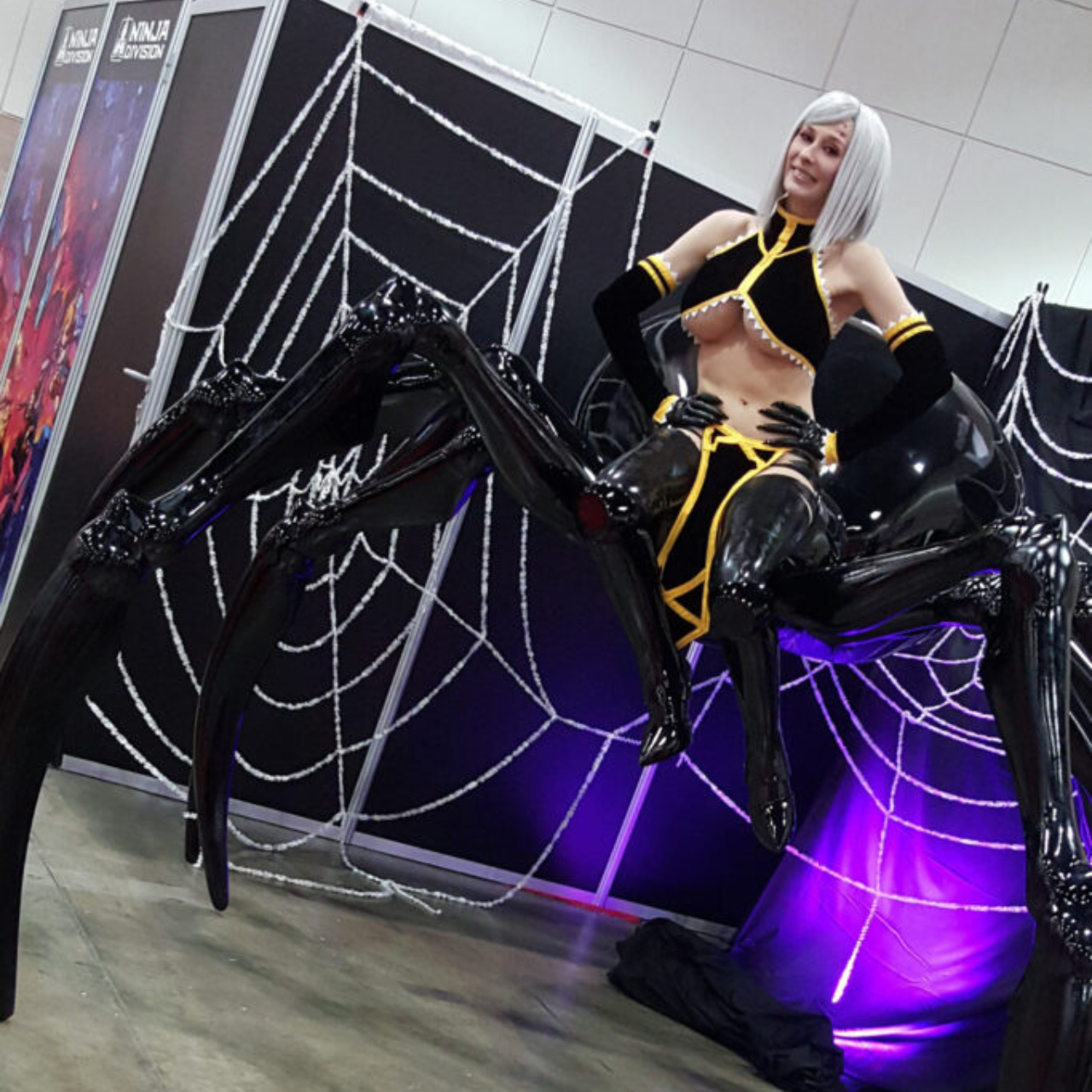
Marie-Claude Bourbonnais
Je m’appelle Marie-Claude Bourbonnais, j’ai 45 ans et je suis une artisane multidisciplinaire formée à l’origine comme patronniste et couturière. Mes passions : la mode, les métiers d’art de tous les pays du monde et la culture populaire japonaise. :) J’ai découvert le cosplay en 2010 en participant avec une amie à une grosse convention aux États-Unis. Ça a été le début de mon aventure comme cosplayer. Mon arrivée dans la communauté cosplay a fait quelques vagues. J’étais déjà connue comme modèle nue sur Internet et j’avais été publiée dans quelques magazines pour adultes. Plusieurs ont d’abord eu du mal à croire que je fabriquais mes costumes moi-même, mais quelques années, costumes et accessoires plus tard, les gens ont fini par réaliser qu’on peut effectivement être modèle et couturière professionnelle tout à la fois. En tant qu’artisane, je travaille avec toutes les matières textiles, le cuir véritable, la feuille de latex et j’ai aussi appris à intégrer des pièces solides à mes costumes. L’impression 3D, les moules, les tirages, les résines, les silicones, la fibre de verre font tous partie de mon univers et depuis quelques années, je fabrique aussi des décors thématiques dans mes ateliers pour mes photoshoots. Ma dernière découverte : les techniques de rembourrage pour fabriquer un pouf géant pour un décor! Je vous montrerai les photos de fabrication. :D Je vous attends en grand nombre à ma conférence, on parlera de tout ce qu’un artisan peut fabriquer. J’ai des tonnes de photos de fabrication à vous montrer. Partageons notre savoir et nos expertises! :) My name is Marie-Claude Bourbonnais, I’m 45 and I’m a multidisciplinary artist specialized in pattern drafting and sewing. I love fashion design, arts and crafts from all around the world and Japanese pop culture. :) I discovered cosplay back in 2010 while attending a big American convention with a friend. It was the beginning of my cosplay adventure. My presence in the cosplay community didn’t go unnoticed. I was already known as a nude model online and I had been published in a few adult magazines. At first, many thought that I couldn’t possibly make my costumes all by myself. But after a few years and many costumes later, people realized that you can indeed be a model and a professional seamstress. As an artisan, I can work with any kind of fabric, genuine leather, latex sheets and I’ve learned how to integrate prop/armor pieces to my costumes. I explored 3D printing, molding, casting, I used resins, silicones, fiberglass and in the past years, I’ve also been building my own photosets for my photoshoots in my workshop. My last discovery: upholstery techniques to build a giant pouf for a photoset. I’ll show you the making of pics! :D Looking forward to seeing you at my panel. I have tons of making of pics to show you. Let’s share our knowledge and skills! :)
You must be logged in to continue.
You need to purchase a ticket to access this event!
Get tickets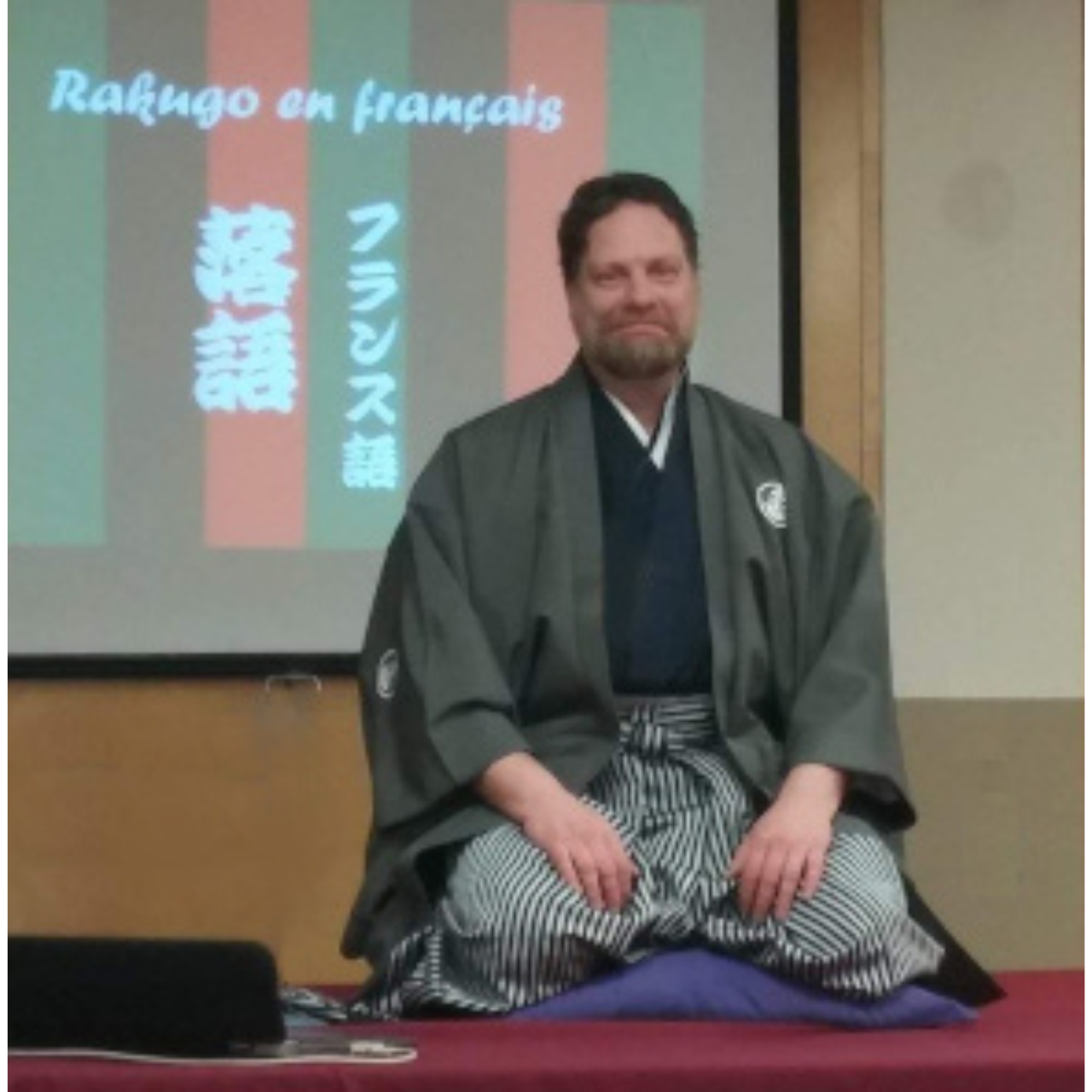
Martin Savard - ANNULÉ
C’est un intérêt pour la diversité des cultures humaines qui a conduit Martin à découvrir la culture populaire japonaise. Atteint dès son enfance par la diplomatie du « Cool Japan », à travers le visionnement du Prince Saphir d’Osamu Tezuka, de Minifée, de Démétan et d’Albator, il s’est initié bien des années plus tard à la spiritualité orientale en pratiquant l’aïkido avec Ki. Plus récemment, les romans, les mangas, les animés et le cinéma lui servent de tremplin pour explorer la culture populaire nippone : nationalisme, shōgi, histoire, religion shinto, karuta et tant d’autres sujets. Il a été séduit en particulier par la naïveté et l’humour du rakugo, ces saynètes qui font le récit des légendes et de la vie quotidienne de l’époque d’Edo, et que le conteur incarne seul avec pour tous accessoires une serviette et un éventail. Martin aspire à s’améliorer dans cet art séculaire, et peut-être un jour d’interpréter à la japonaise les contes et légendes du Québec, afin de célébrer la rencontre des cultures, la fraternité des hommes et les vertus du rire. Naturalist and overall fan of the outdoors, Martin also finds pleasure in learning about the countless human societies that populated the Earth. Exposed as a kid to the “Cool Japan” wave through the likes of Osamu Tezuka’s Princess Knight, Sally the Witch, Demetan Croaker and Captain Harlock, he would many years later open himself to oriental spirituality and start practicing Ki Aikido. However, it was but recently that he fell in love with Japanese pop culture, or more accurately with the lighthearted nature of Rakugo; telling the tales of daily life in the Edo period as well as otherwise forgotten legends, the sketches of Rakugo are performed by a single storyteller with the only help of a small cloth and a paper fan. It is Martin’s dream to keep acquiring more experience in this long-established artform, and maybe someday adapt the tales and legends of the Province of Quebec into a beautiful mix of cultures, full of both humanity and laughter.
You must be logged in to continue.
You need to purchase a ticket to access this event!
Get tickets
Nadeshiko Club
Le Nadeshiko Club est une coalition informelle de panélistes d’expérience dédiée à la diffusion de contenu de qualité principalement en français dans les diverses conventions du Québec. Nous nous spécialisons principalement dans les animés et la culture populaire japonaise, mais nous couvrons aussi la culture geek en général. Nos membres font des panels à Nadeshicon depuis la création de l’évènement. Pour la première fois, nous avons la chance de pouvoir vous présenter des panels en continu pour la majorité du festival! The Nadeshiko Club is an informal coalition of experienced panellists dedicated to the diffusion of quality content, mainly in French, at the various conventions of the province of Quebec. We specialize in anime and Japanese popular culture, but we also cover geek culture in general. Our members have been doing panels at Nadeshicon since the creation of the event. For the first time, we are lucky enough to be able to present panels to you for most of the convention continuously!
You must be logged in to continue.
You need to purchase a ticket to access this event!
Get tickets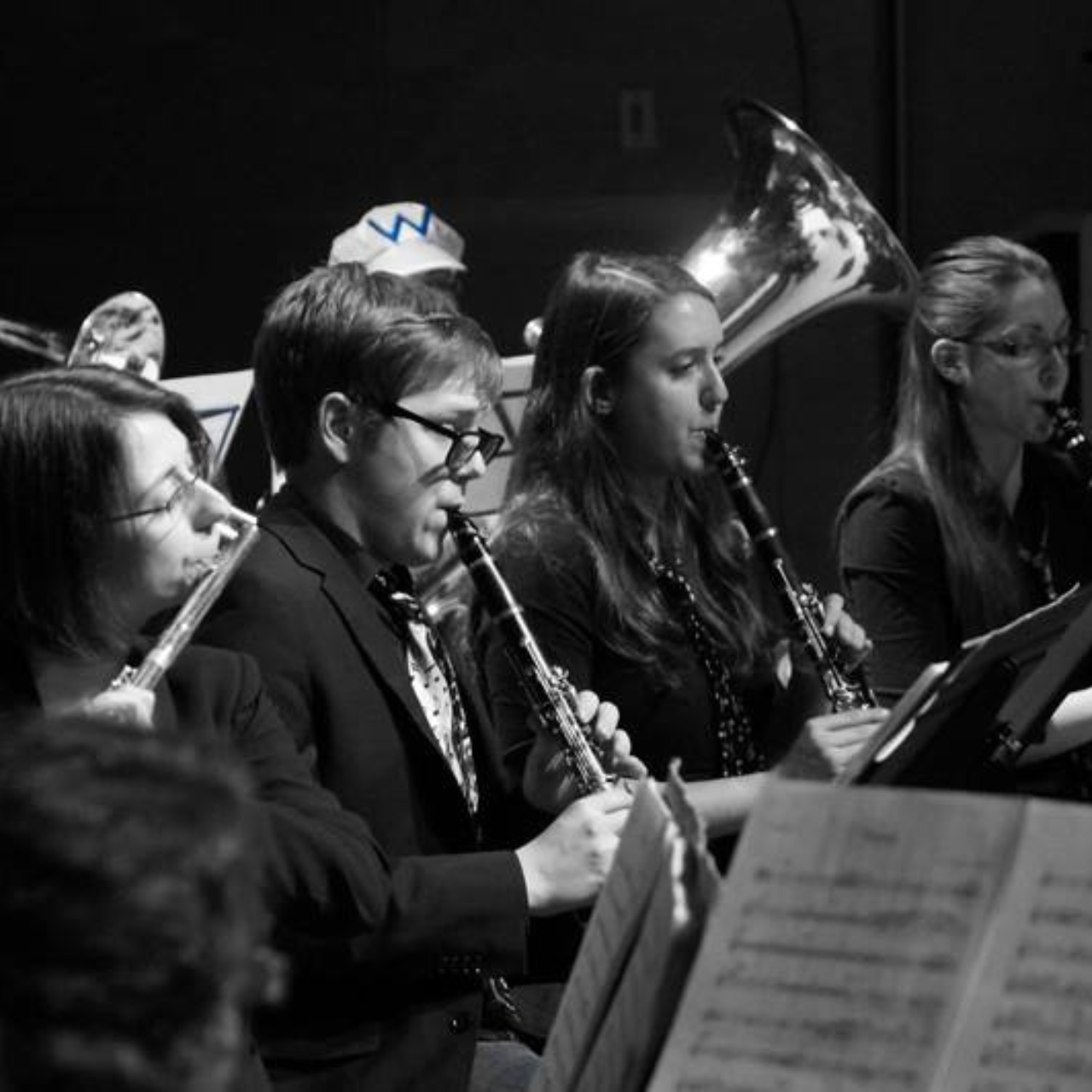
Orchestre portable de jeux vidéo OPJV
L’Orchestre Portable de Jeux Vidéo (OPJV) est une version réduite de l’Orchestre de Jeux Vidéo, composée d’une vingtaine de musiciens. Ce format unique allie la puissance d’un orchestre à l’intimité d’un ensemble de chambre, offrant une expérience musicale immersive et dynamique. L’OPJV a marqué les esprits avec plusieurs prestations mémorables au festival Nadeshicon, transportant le public à travers les univers des plus grandes franchises de jeux vidéo. Grâce à des arrangements soigneusement adaptés, l’ensemble fait revivre avec intensité et émotion les musiques iconiques qui ont bercé des générations de joueurs. The Orchestre Portable de Jeux Vidéo (Portable Video Game Orchestra, OPJV) is a smaller version of the Orchestre de Jeux Vidéo, composed of around twenty musicians. This unique format combines the power of an orchestra with the intimacy of a chamber ensemble, offering an immersive and dynamic musical experience. The OPJV made its mark with several memorable performances at the Nadeshicon convention, transporting the audience through the worlds of the biggest video game franchises. Thanks to carefully adapted arrangements, the ensemble brings back to life with intensity and emotion the iconic music that has rocked generations of gamers.
You must be logged in to continue.
You need to purchase a ticket to access this event!
Get tickets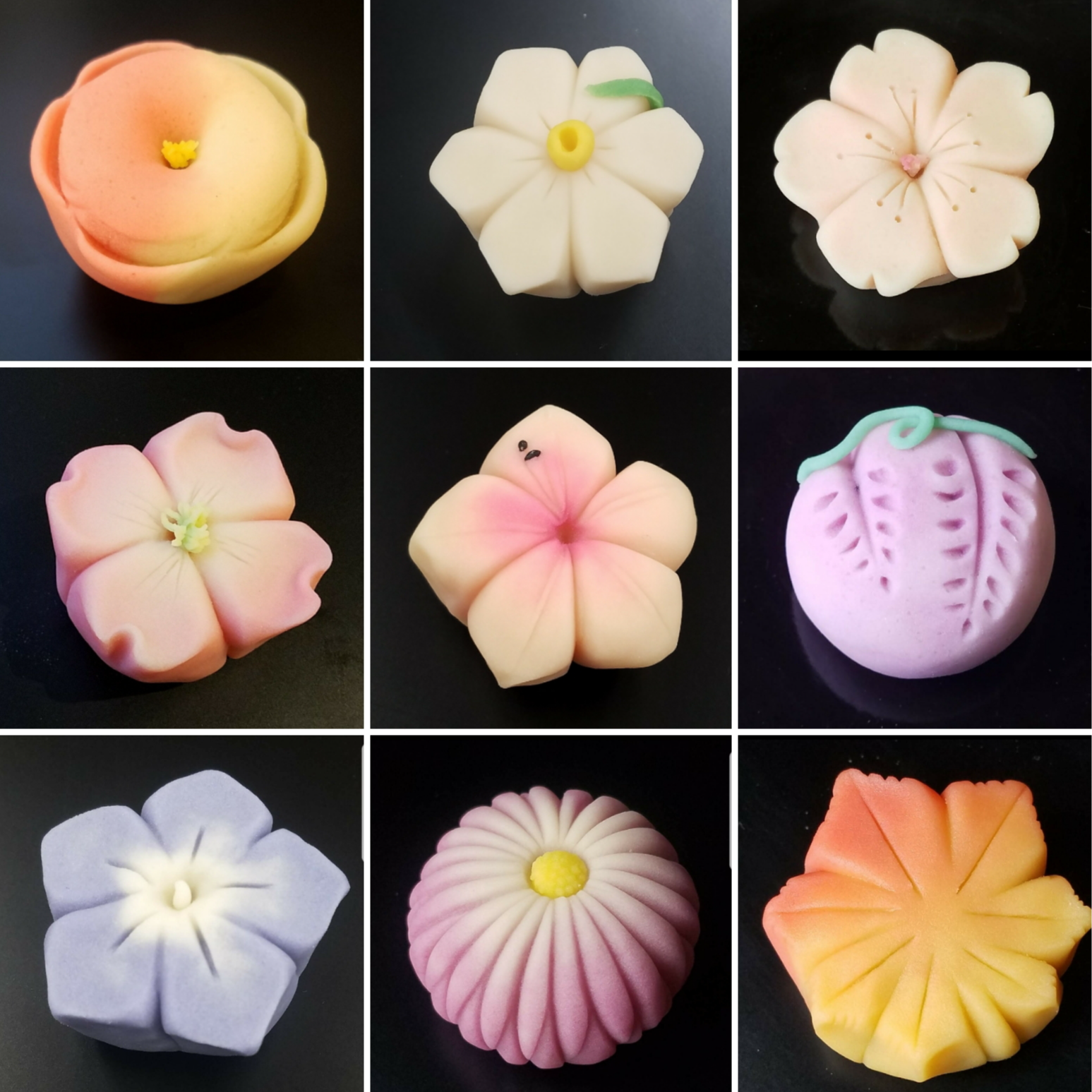
Pâtisserie japonaise KotoAn Wagashi
KotoAn Wagashi est un petit producteur de confiseries japonaises artisanales basé à Montréal. La pâtissière, Misao Tsutsumi, née à Gunma, Japon, confectionne des pâtisseries depuis de nombreuses années et a suivi une formation professionnelle en confiserie japonaise. Notre spécialité est le Nerikiri, mais nous proposons également d’autres douceurs japonaises traditionnelles, comme le Daifuku-Mochi, Zunda-Daifuku, Yuzu-Mochi, Sakura-Mochi, et bien d’autres. Notre Nerikiri est disponible chez Miyamoto, à Westmount, et nous participons régulièrement à des événements culturels éphémères à Montréal, Québec et Ottawa. Nous offrons également des ateliers où vous pouvez apprendre à façonner de magnifiques Nerikiri, ainsi que des démonstrations de préparation pour des fêtes. Venez découvrir les saveurs du Japon et sa culture! Misao Tsutsumi détient aussi une licence d’enseignement de l’Association Miyagi Koto (école Ikuta) depuis 1991. En 2014, elle a repris la pratique du koto à Winnipeg, Manitoba, en se produisant pour les communautés locales. Depuis 2016, elle a joué à Montréal lors d’événements de levée de fonds, ainsi que d’événements culturels et éducatifs. Redécouvrant toute la beauté du koto, elle s’attache désormais à promouvoir cet instrument au Canada. Tommy Bissonnette, originaire du Québec, apprend le koto avec Misao depuis le printemps 2023 et cherche à approfondir ses connaissances de l’instrument. Ensemble, ils vous proposeront une performance à ne pas manquer! KotoAn Wagashi is a small producer of handmade special Japanese sweets based in Montreal. The patissier, Misao Tsutsumi, born in Gunma, Japan, has been preparing food for many years, and has received professional training in Japanese confectionery. Our specialty is Nerikiri, but we also make other casual Japanese sweets, such as Daifuku-Mochi, Zunda-Daifuku, Yuzu-Mochi, Sakura-Mochi, etc. Our Nerikiri is available at Miyamoto in Westmount, and we participate in many cultural pop-up events in Montreal, Quebec City, and Ottawa. We also offer workshops where you can shape beautiful Nerikiri, and demonstrations of Nerikiri preparation for parties. Come try the taste and discover Japanese culture! Misao Tsutsumi also holds a teaching license from Miyagi Koto Association (Ikuta school) since 1991. In 2014, she resumed performing the koto in Winnipeg, Manitoba, for local communities. In 2016, she has performed the koto in Montreal at fundraising events as well as cultural and educational events. Rediscovering the beauty of the koto, she is now introducing this traditional instrument in Canada. Tommy Bissonnette, born in Quebec province, has been learning the koto from Misao since the spring of 2023 and seeks to further his knowledge of the instrument. Together, they will offer a performance that you won’t want to miss!
You must be logged in to continue.
You need to purchase a ticket to access this event!
Get tickets
Qtopia
Créée en 2022, la troupe de danse Qtopia reprend des chorégraphies de K-pop qu’elle filme et publie sur ses différents réseaux. Les neuf membres de la troupe – Maé, Sophia, Maude, Rosalie, Coraly, Mya, Laurie, Jenny et Elina – sont fières et emballées de représenter la communauté K-pop à Québec et de participer au Festival Nadeshicon de cette année! Created in 2022, Qtopia is a dance crew who covers K-pop choreographies, films them and posts their videos on different platforms. The crew’s nine members – Maé, Sophia, Maude, Rosalie, Coraly, Mya, Laurie, Jenny and Elina – are proud and excited to represent the K-pop community in Québec and to perform at this year’s Nadeshicon Festival!
You must be logged in to continue.
You need to purchase a ticket to access this event!
Get tickets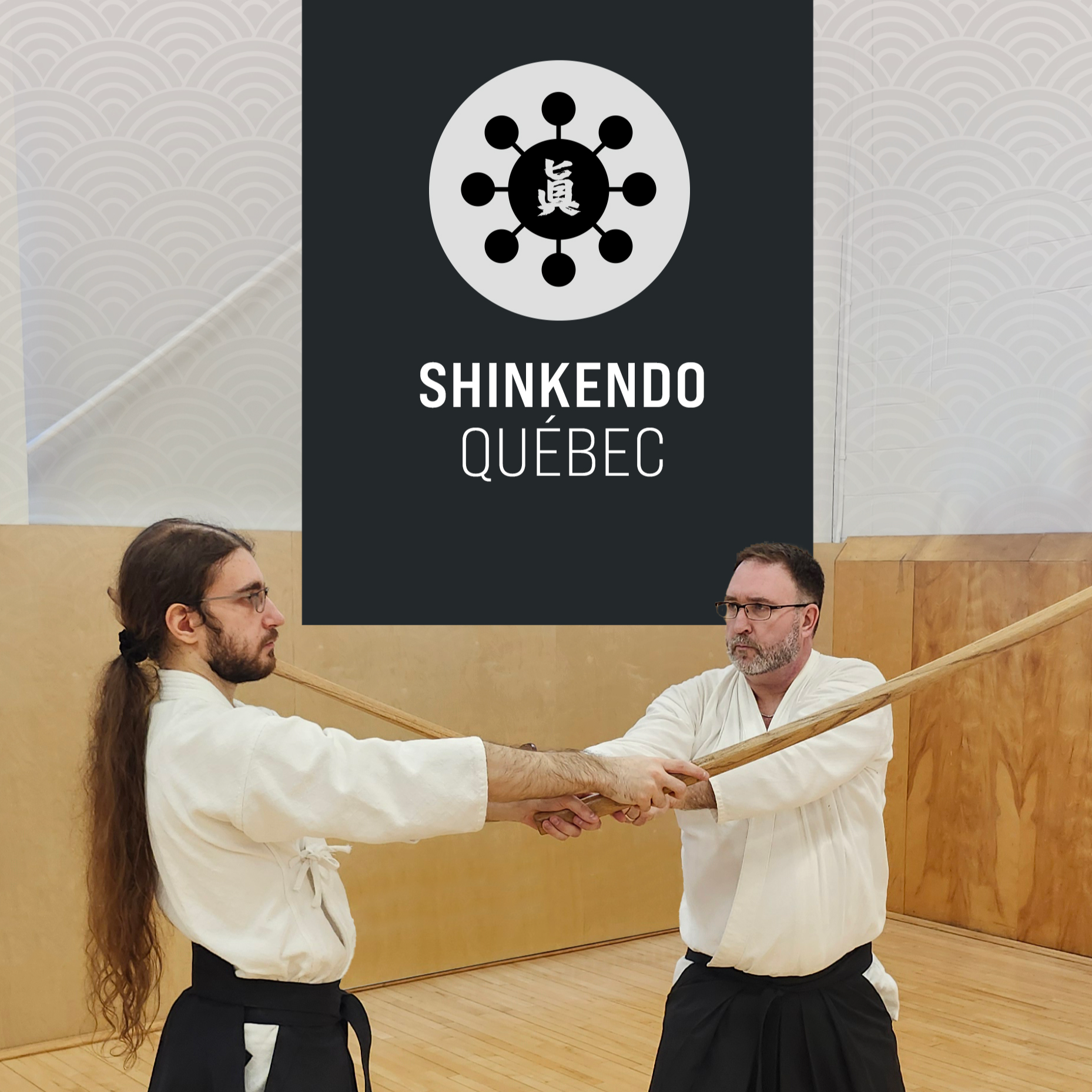
Shinkendo Québec
Le Shinkendo est une école de sabre japonais qui vous offre une combinaison parfaite des traditions japonaises et de la vision moderne des arts martiaux de Toshishiro Obata. Cinq grands aspects définissent l’art du sabre : Suburi, Tanrengata, Tachi Uchi, Battoho et Tameshigiri. Le Shinkendo enseigne que tous ces concepts sont étroitement entremêlés les uns aux autres et sont indissociables. Chaque technique pratiquée influence directement l’apprentissage des autres sphères de compétence permettant ainsi de mieux saisir les subtilités et d’approfondir les concepts de l’art du sabre japonais. C’est en étudiant et en explorant ces 5 sphères que nous recherchons la vraie voie du sabre (Shin-Ken-Do). Shinkendo is a Japanese sword school that offers you a perfect combination of Japanese traditions and Toshishiro Obata’s modern vision of martial arts. There are five major aspects that define the art of the sword: Suburi, Tanrengata, Tachi Uchi, Battoho and Tameshigiri. Shinkendo teaches that all these concepts are closely intertwined with each other and are inseparable. Each technique practiced directly influences the learning of the other spheres of skill, thus allowing us to better grasp the subtleties and deepen the concepts of the art of the Japanese sword. It is by studying and exploring these 5 spheres that we seek the true way of the sword (Shin-Ken-Do).
You must be logged in to continue.
You need to purchase a ticket to access this event!
Get tickets
TurboQuest
TurboQuest, anciennement connu sous le nom de Tortuga, est une formation musicale rock-métal montréalaise qui se voue à reprendre les classiques de l’univers du jeu vidéo tout en y apportant une toute nouvelle dimension. Les cinq musiciens partagent les deux mêmes passions, celles de la musique et, évidemment, des jeux vidéo. Ayant chacun un parcours musical très épanoui, chaque musicien amène une touche unique et un son distinct, autant dans l’écriture que dans l’interprétation. Parfois heavy, parfois mélodique, TurboQuest vous transportera d’un univers à l’autre et fera vibrer de nostalgie le gamer en vous. TurboQuest, formerly known as Tortuga, is a Montreal-based rock-metal musical group dedicated to bringing back to life video game classics while giving them a whole new dimension. All five members share the same two passions: music, and of course video games. Each musician can bring a unique touch and distinct sound both in writing and in interpretation thanks to their accomplished musical careers. Sometimes heavy, sometimes melodious, TurboQuest will take you from one universe to another so that your inner gamer will be filled with nostalgia.
You must be logged in to continue.
You need to purchase a ticket to access this event!
Get tickets
Valérie Harvey
Valérie Harvey a écrit plusieurs ouvrages, dont des romans inspirés du Japon avec Les Fleurs du Nord (Prix jeunesse des univers parallèles 2018) ; L’Ombre du Shinobi (finaliste au Prix de création littéraire de la Ville de Québec 2020), et L’Héritage du Kami. Elle a fait ses études sur la natalité japonaise et l’implication des pères au Québec et au Japon. Elle a aussi traduit la poétesse pour enfants Misuzu Kaneko avec Nous sommes tous différents et nous sommes tous beaux. Elle donne un cours sur les mangas à l’université. En tant que sociologue, elle est collaboratrice à plusieurs émissions, particulièrement à la radio d’ICI Radio-Canada Première. Valérie Harvey has written several works, including novels inspired by Japan with Les Fleurs du Nord (2018 Youth Prize for Parallel Universes); L’Ombre du Shinobi (finalist for the 2020 Quebec City Literary Creation Prize), and L’Héritage du Kami. She studied Japanese fertility rates and the involvement of fathers in Quebec and Japan. She also translated the children’s poet Misuzu Kaneko with Nous sommes tous différents et nous sommes tous beaux. She teaches a course on manga at university. As a sociologist, she collaborates on several programs, particularly on ICI Radio-Canada Première’s radio.
You must be logged in to continue.
You need to purchase a ticket to access this event!
Get tickets